
S.SHEELAPANDI.
Introduction
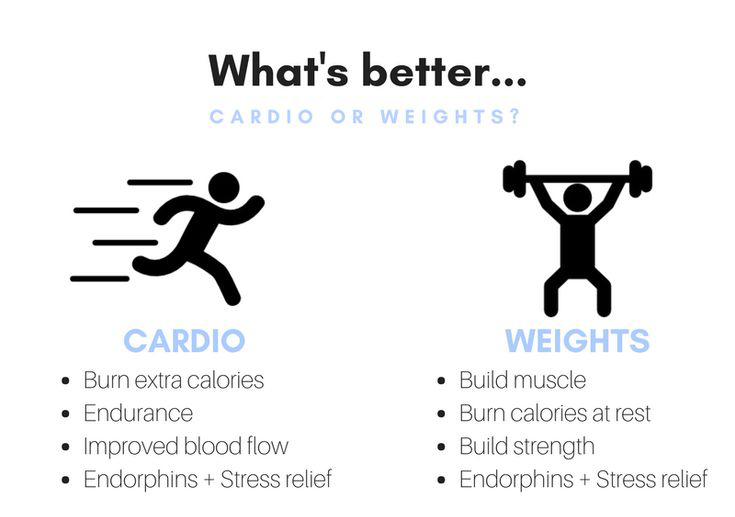
When it comes to choosing the right workout routine, many people focus on two primary types of exercises: cardio and strength training. Both have unique benefits, but they cater to different fitness goals. While cardio exercises are designed to get your heart rate up and burn calories, strength training is focused on building muscle and improvingoverall strength.
This guide will dive deep into cardio and strength training, helping you determine which exercise routine might be the best fit for your goals. We’ll cover the benefits, potential drawbacks, and frequently asked questions to help you make an informed decision.
1. Understanding Cardio Training
Cardiovascular exercise, often simply called “cardio,” is any exercise that raises your heart rate and keeps it elevated for a sustained period. Cardio exercises include running, cycling, swimming, and even walking at a brisk pace.
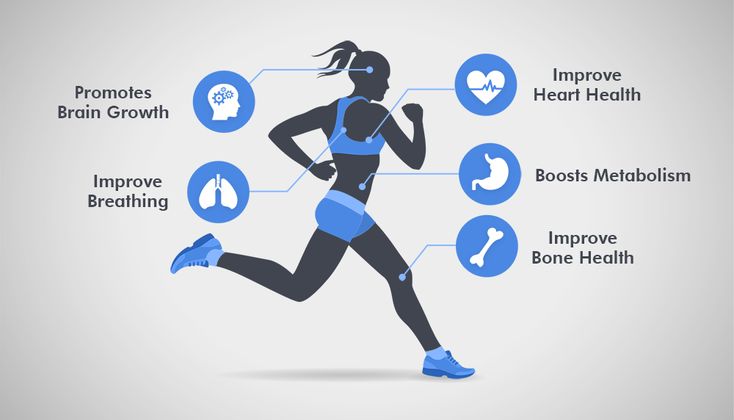
Benefits of Cardio Training
Improved Heart Health: Cardio workouts strengthen your heart and improve its ability to pump blood efficiently.
Calorie Burn: Cardio burns a significant amount of calories, making it ideal for weight loss.
Increased Endurance: Regular cardio improves stamina, allowing you to engage in physical activities for longer periods.
Reduced Stress and Anxiety: Exercise in general releases endorphins, but cardio is especially known to help reduce stress.
Potential Drawbacks of Cardio Training
Muscle Loss: Excessive cardio can lead to muscle loss, especially if you’re not balancing it with strength training.
Impact on Joints: High-impact cardio exercises, like running, can put strain on joints, leading to injuries over time.
2. Understanding Strength Training
Strength training involves exercises that increase muscle strength and endurance by working against a resistance. This could be through lifting weights, resistance bands, or even bodyweight exercises like push-ups and squats.
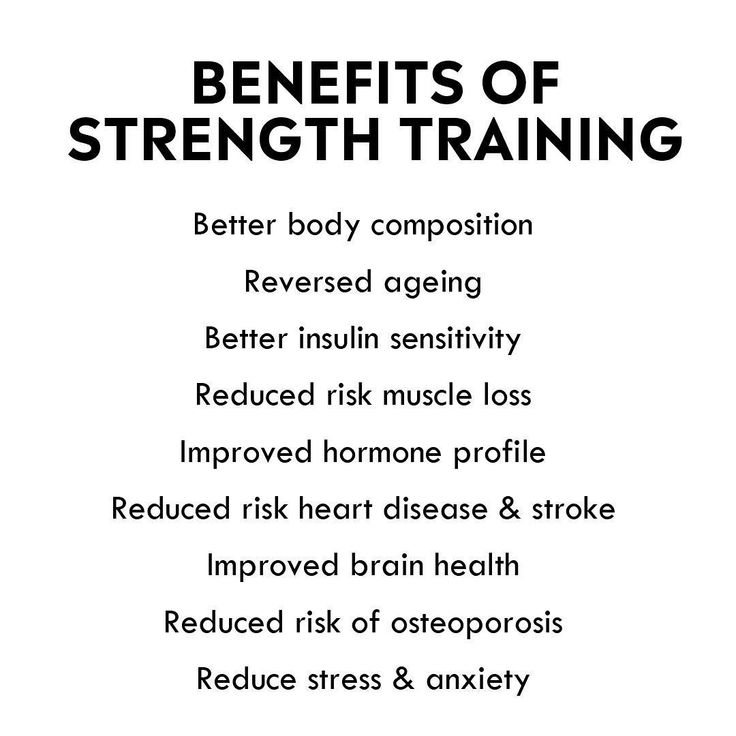
Benefits of Strength Training
Muscle Growth and Definition: Strength training helps build and tone muscles, giving you a lean and sculpted look.
Increased Metabolism: Muscle tissue burns more calories at rest than fat, meaning strength training can boost your metabolism.
Improved Bone Density: Strength training helps increase bone density, which reduces the risk of fractures and osteoporosis.
Enhanced Functional Strength: Building strength can improve your ability to perform daily tasks more efficiently and with less risk of injury.
Potential Drawbacks of Strength Training
Requires Equipment or Knowledge: Strength training often requires weights or equipment, which can be costly or require gym access.
Risk of Injury: Incorrect form or lifting too heavy can lead to injuries, making it essential to learn proper techniques.