S.SHEELAPANDI.
Introduction
Achieving a well-defined, V-shaped back is a common goal for many fitness enthusiasts. This iconic physique is characterized by broad shoulders and a narrow waist, creating a visually striking upper body that exudes strength and athleticism. In this blog post, we’ll explore essential gym exercises that will help you build that coveted V-shaped back.

1. Pull-Ups: The Foundation of a V-Shaped Back
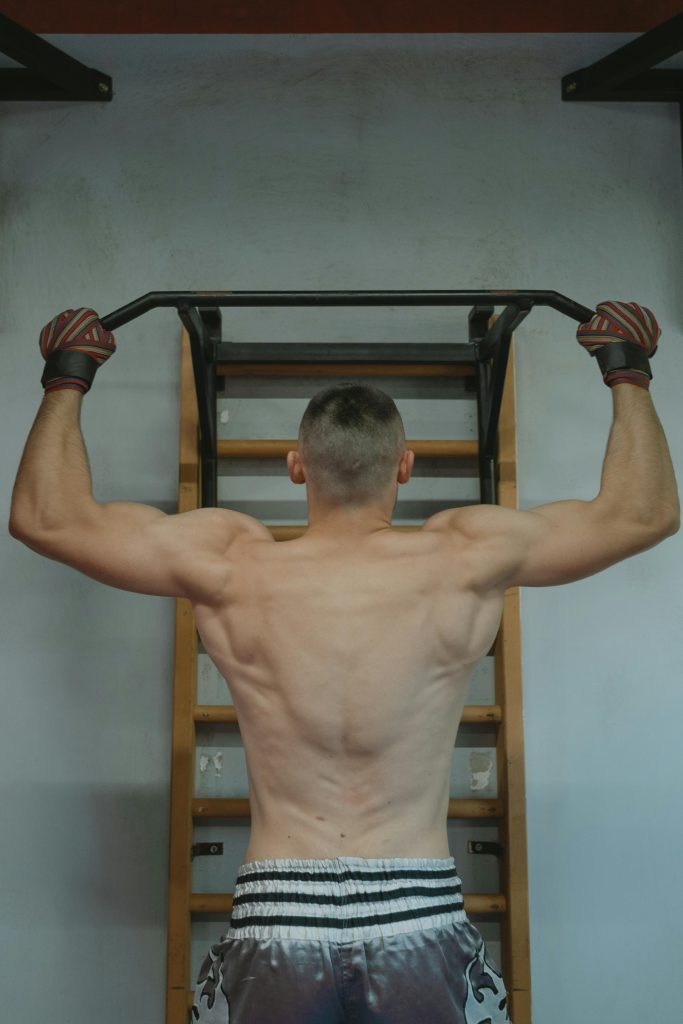
Pull-ups are a fundamental exercise for building a strong and wide back. They primarily target the latissimus dorsi, the broadest muscles of the back, which contribute significantly to the V-shape. Hang with your arms fully extended, then pull your chest towards the bar by engaging your back muscles.
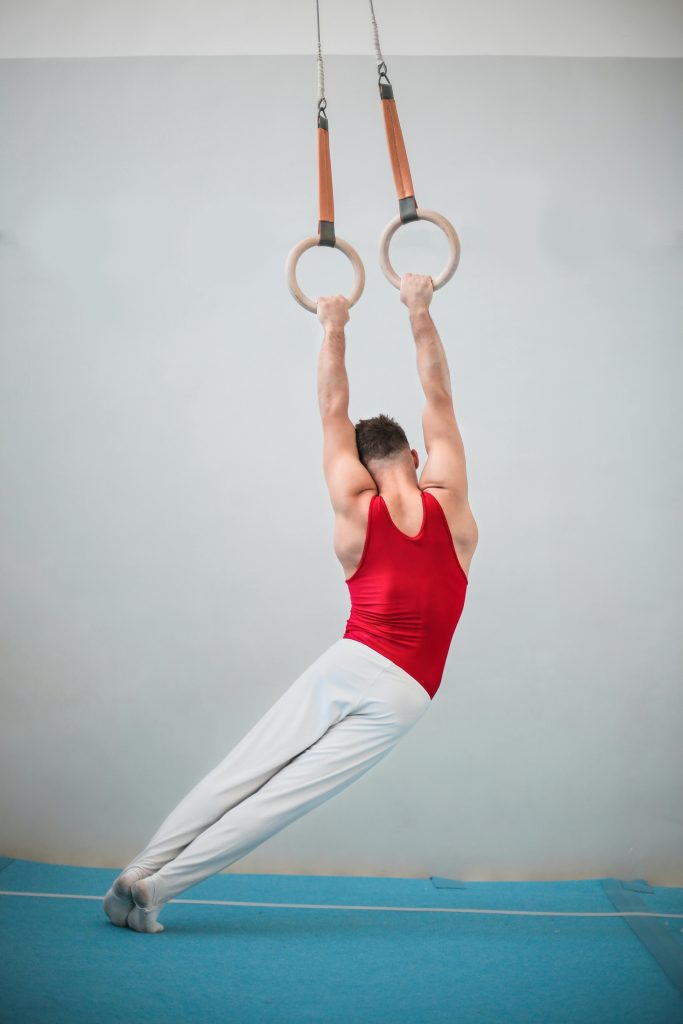
Incorporating different variations of pull-ups can further enhance your back development. For instance, wide-grip pull-ups emphasize the outer lats, while close-grip chin-ups shift some focus to the biceps and inner lats. Aim to include both types in your routine to ensure balanced muscle growth. If you’re a beginner, start with assisted pull-ups using a resistance band or an assisted pull-up machine until you build enough strength to perform unassisted reps.
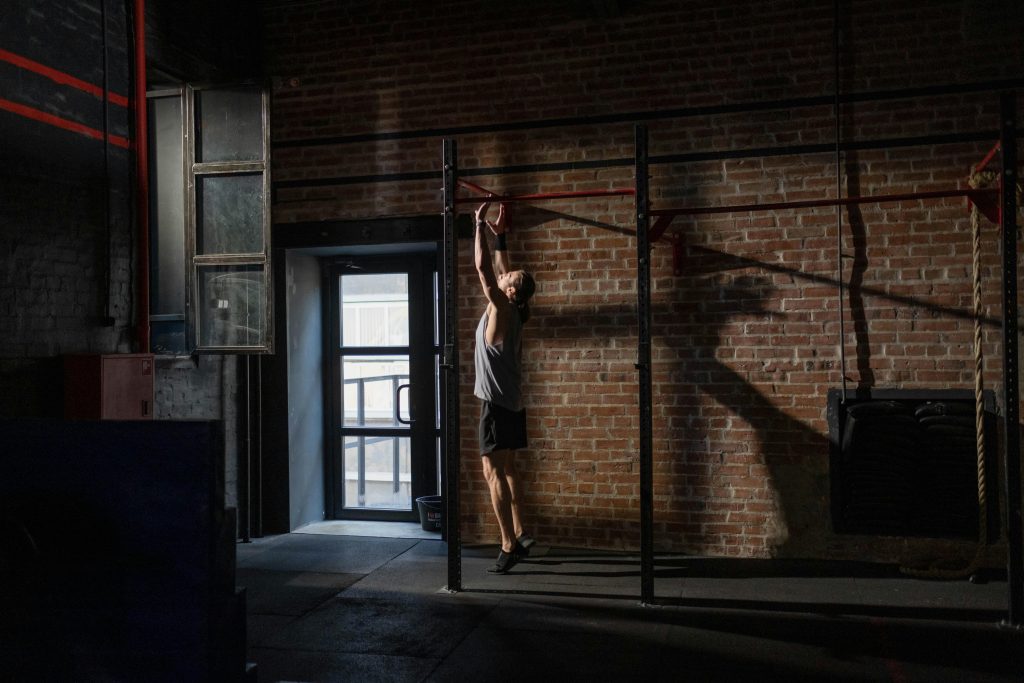
Consistency is key when it comes to pull-ups. Aim to perform 3–4 sets of 8–12 repetitions, gradually increasing the intensity as you get stronger. Remember to maintain proper form throughout the movement to maximize effectiveness and prevent injury. Incorporating pull-ups into your back workout routine will lay a solid foundation for achieving that impressive V-shaped back.
2. Dead lifts: Building Overall Back Strength
Dead lifts are a compound exercise that targets several muscle groups, such as the back, glutes, hamstrings, and core. They are crucial for building overall back strength and thickness, which is essential for creating the V-shape. To perform a dead lift, stand with your feet hip-width apart, grip the barbell with your hands just outside your knees, and keep your back straight. Lift the bar by extending your hips and knees, standing up straight, then lower it back down with control.
One of the key benefits of deadl ifts is their ability to engage the entire posterior chain, including the lower back, which supports overall back development. Additionally, dead lifts help improve your grip strength, which can enhance performance in other back exercises. Proper form is critical to avoiding injury, so ensure your back remains straight, and avoid rounding your shoulders during the lift.
Incorporate dead lifts into your routine by performing 3–4 sets of 6–8 repetitions. As you advance, slowly add more weight to keep your muscles challenged. It’s also beneficial to include variations such as Romanian dead Lifts or sumo dead lifts to target different aspects of your back and posterior chain. Consistent dead lifting will significantly contribute to building a strong, thick back that complements the V-shaped appearance.