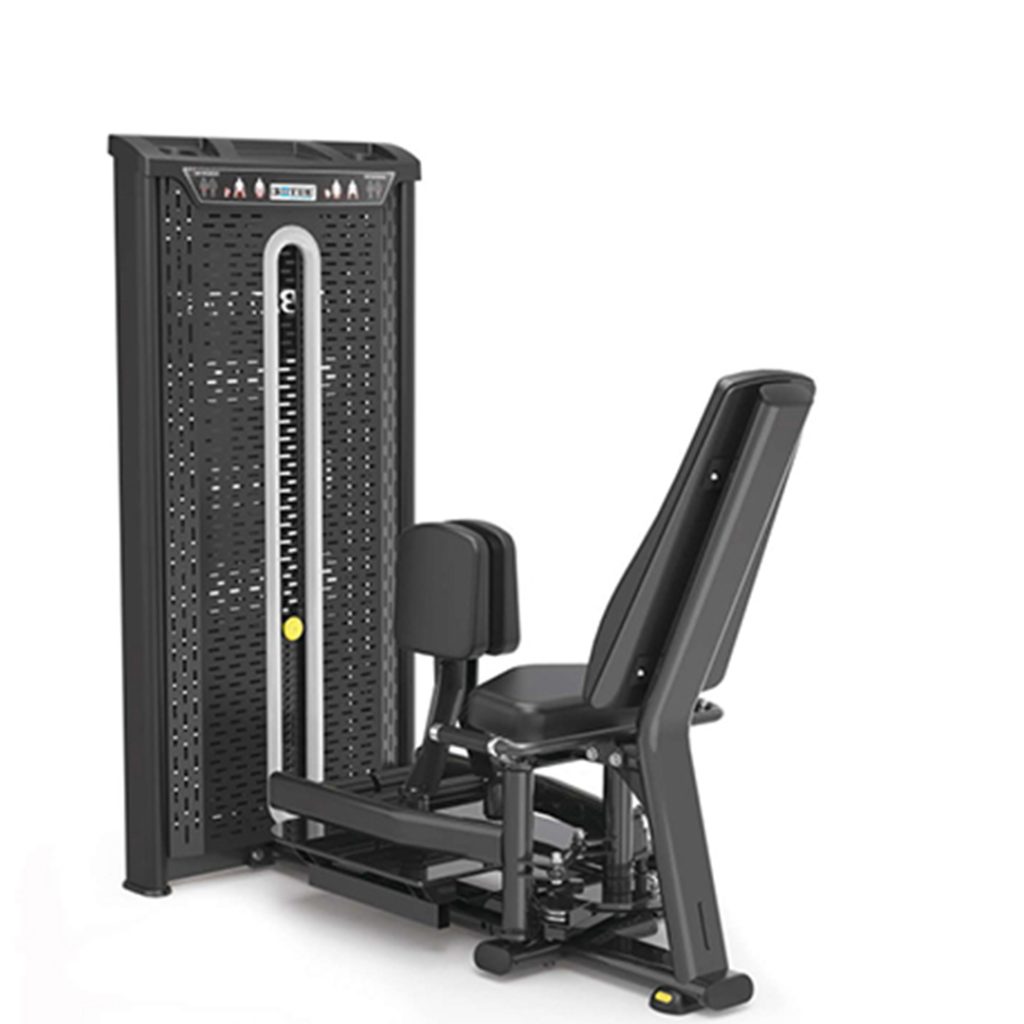

The adductor and abductor muscles play crucial roles in your body’s movement and stability. While they are often overlooked in workouts, these muscle groups are essential for balance, athletic performance, and injury prevention. Whether you’re a fitness enthusiast, an athlete, or someone on the journey to better health, understanding these muscles can improve your exercise routine and overall functionality.
Introduction
The human body is an intricate system of muscles working in harmony. Among these are the adductor and abductor muscles, located in the hips, thighs, and glutes. These muscle groups contribute to your ability to move efficiently and maintain balance.
What Are Adductor Muscles?
Adductor muscles are located on the inner thighs. Their primary function is to draw the legs toward the body’s midline, a movement known as adduction. These muscles are especially active during activities like horseback riding, skiing, and side-stepping.
Key Adductor Muscles
Adductor Longus: Aids in hip flexion and thigh adduction.
Adductor Brevis: Stabilizes the pelvis and assists in thigh movement.
Adductor Magnus: A powerful muscle contributing to thigh adduction and hip extension.
Pectineus: Located at the upper thigh, essential for thigh adduction and flexion.
Gracilis: The only adductor muscle crossing both the hip and knee joints.
What Are Abductor Muscles?
The abductor muscles, found on the outer hips and thighs, perform the opposite action of adductors. They move the legs away from the midline, a movement called abduction. These muscles are critical for lateral movements and hip stability during activities such as running and dancing.
Key Abductor Muscles
Gluteus Medius: Maintains pelvic stability during walking.
Gluteus Minimus: Works alongside the medius for hip abduction.
Tensor Fasciae Latae (TFL): A small muscle assisting in thigh abduction and internal rotation.
Adductor and Abductor Functions
Importance in Movement
Adductors: Support medial stability, allowing for precise movements in sports and daily activities.
Abductors: Facilitate lateral stability, essential for maintaining balance during dynamic movements.
Role in Injury Prevention
Weakness in either group can lead to compensatory movements, increasing the risk of injuries like strains or hip impingements.
Postural Alignment
Both adductors and abductors contribute to proper alignment of the hips and pelvis, which impacts overall posture and gait.
Adductor and Abductor Exercises
Best Exercises for Adductors
Sumo Squats: A compound movement targeting the inner thighs.
Side-Lying Leg Lifts: Isolates the adductor muscles.
Cable Adductions: Adds resistance for strengthening.
Clamshells with Resistance Bands: Enhances muscle endurance and strength.
Best Exercises for Abductors
Side Lunges: Strengthens the outer thighs and hips.
Monster Walks with Bands: Activates the gluteus medius and minimus.
Hip Bridges with Abduction: Combines core and abductor strengthening.
Standing Hip Abductions: A simple yet effective move for isolating abductors.
The Relationship Between Adductors and Abductors
For optimal performance, these muscle groups must work together. Strength imbalances can lead to issues like knee pain, hip instability, and poor athletic performance. For example, runners with weak abductors might experience lateral knee pain due to excessive inward knee movement.
Common Injuries and Prevention
Adductor Strain
Occurs due to overstretching or sudden movements. Warm-up exercises and proper stretching can prevent these injuries.
Abductor Weakness
Can result in hip drop or imbalance during walking. Strength training is essential to mitigate this risk.
Stretching and Mobility Tips
Adductor Stretches
Butterfly Stretch
Side-Lunge Stretch
Abductor Stretches
Pigeon Pose
Cross-Body Leg Stretch
Incorporate these stretches post-workout to improve flexibility and recovery.
Conclusion
Adductor and abductor muscles might not always steal the spotlight, but their importance cannot be overstated. From stabilizing your movements to enhancing athletic performance, these muscles are vital. By understanding their functions and incorporating targeted exercises into your routine, you can unlock your full physical potential and prevent injuries.